


Blog list
Copeland Chiropractic Clinic Blog
Learn more about chiropractic care in our blog!

Washington summers can bring warmer temperatures, shifting pressure, and higher humidity. For many people, these seasonal changes seem to make joint stiffness, swelling, and inflammation feel more noticeable. At Copeland Chiropractic Clinic, we often see patients who feel more discomfort during certain weather patterns, especially when their joints are already irritated from arthritis, old injuries, or daily wear and tear.

Back pain can happen after lifting something the wrong way, sitting too long, sleeping awkwardly, or overusing the muscles around the spine. In many cases, this type of pain improves with rest, movement changes, and proper chiropractic care.

Workplace injuries can happen in physically demanding jobs, office settings, and everything in between. Repetitive strain, poor posture, lifting mistakes, and sudden movements can all lead to pain that affects your ability to work and function comfortably. At Copeland Chiropractic Clinic, we help patients address work-related pain with non-surgical, drug-free chiropractic care.

Stress does not just affect your mood - it can also affect how your body feels and functions. When stress builds, many people tighten their shoulders, clench their jaw, and hold tension through the neck and back.

In today’s world of desk jobs, smartphones, and long commutes, poor posture has become increasingly common. Slouching, rounded shoulders, and forward head posture can lead to neck pain, back pain, headaches, and even reduced mobility over time. Improving your posture doesn’t require expensive equipment or hours at the gym.

Whiplash is one of the most common injuries following car accidents, sports impacts, and sudden falls. While it’s often thought of as a simple neck strain, whiplash can have far-reaching effects on both the spine and the nervous system. Understanding how this injury impacts your body is essential for recognizing symptoms early and seeking appropriate care.
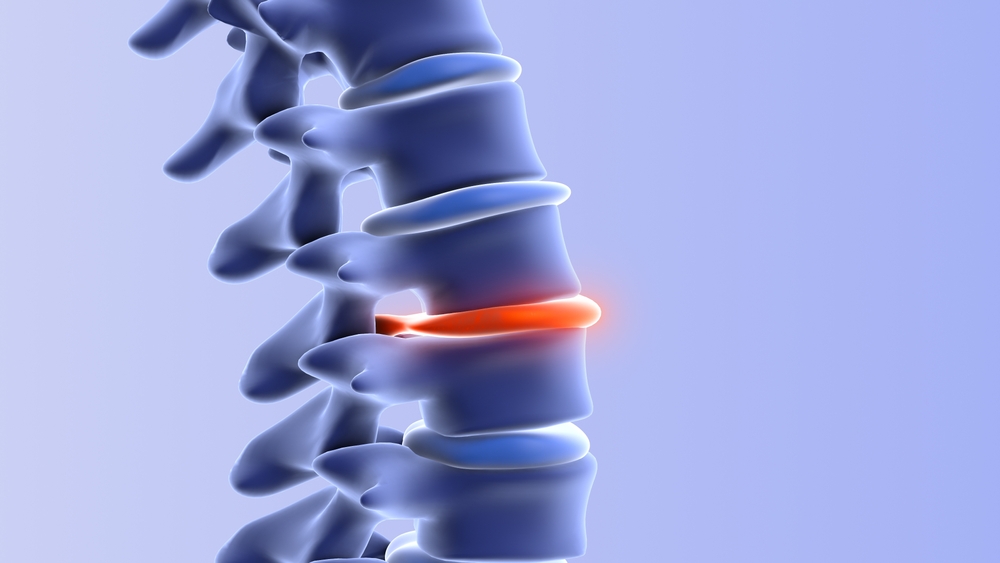
Your spine is one of the most remarkable structures in the human body - strong enough to support your entire frame, yet flexible enough to allow movement in nearly every direction.

If you’re dealing with ongoing neck pain, it’s easy to blame your desk setup, phone use, or posture. While posture certainly plays a role, it’s often only part of the story. Two commonly overlooked contributors to neck pain are poor sleep and chronic stress - both of which have a direct impact on your spine, nervous system, and muscle tension.

Your spine is the foundation of your body’s structure and the communication highway for your nervous system. When your spine is properly aligned, your body can function at its best. But when it’s out of alignment, even slightly, it can lead to discomfort, pain, and a wide range of health issues that may seem unrelated to your back.

Osteoporosis is often called a “silent disease” because it develops gradually and may go unnoticed until a fracture occurs. One of the areas most affected is the spine, where weakened bones can cause pain, posture changes, and mobility challenges. Recognizing the early warning signs is key to preventing complications and protecting long-term spinal health.


© 2026. All Rights Reserved. Accessibility Statement. Sitemap
Powered by: 